Intro
The spring is definitely here, and so this month's newsletter carries a lot of seasonal content. There's plenty more on the website: visit https://grammaticus.blog and type "spring" in the search box - you'll have access to many blog posts celebrating the year's greenest and most colourful season. Until next month, take care!
Books & Literature
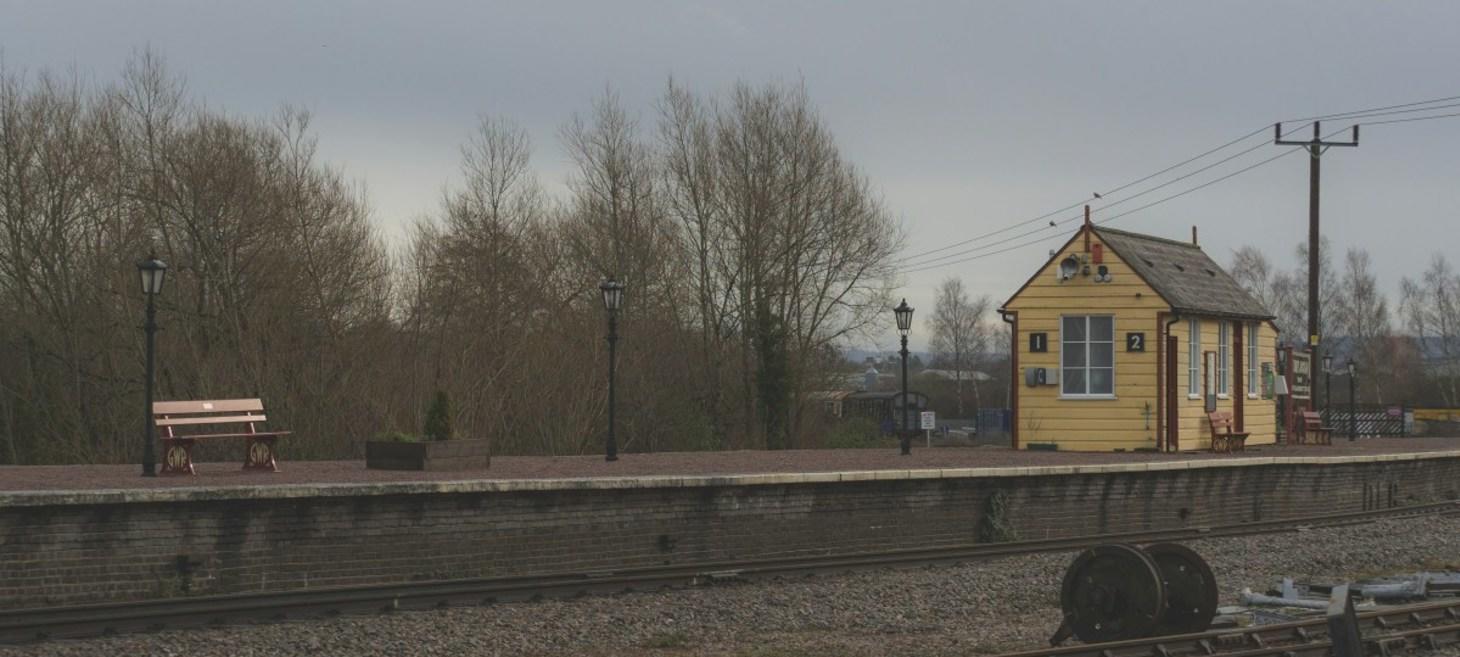
Free ebook: “Departure” by Sherwood Anderson
It’s time for another free ebook! This time it’s “Departure” – a short story by Sherwood Anderson (1876-1941), about a young man leaving his small hometown to begin a new life in a big city. As he sets off, thoughts about the familiar people and places fill him with melancholy.
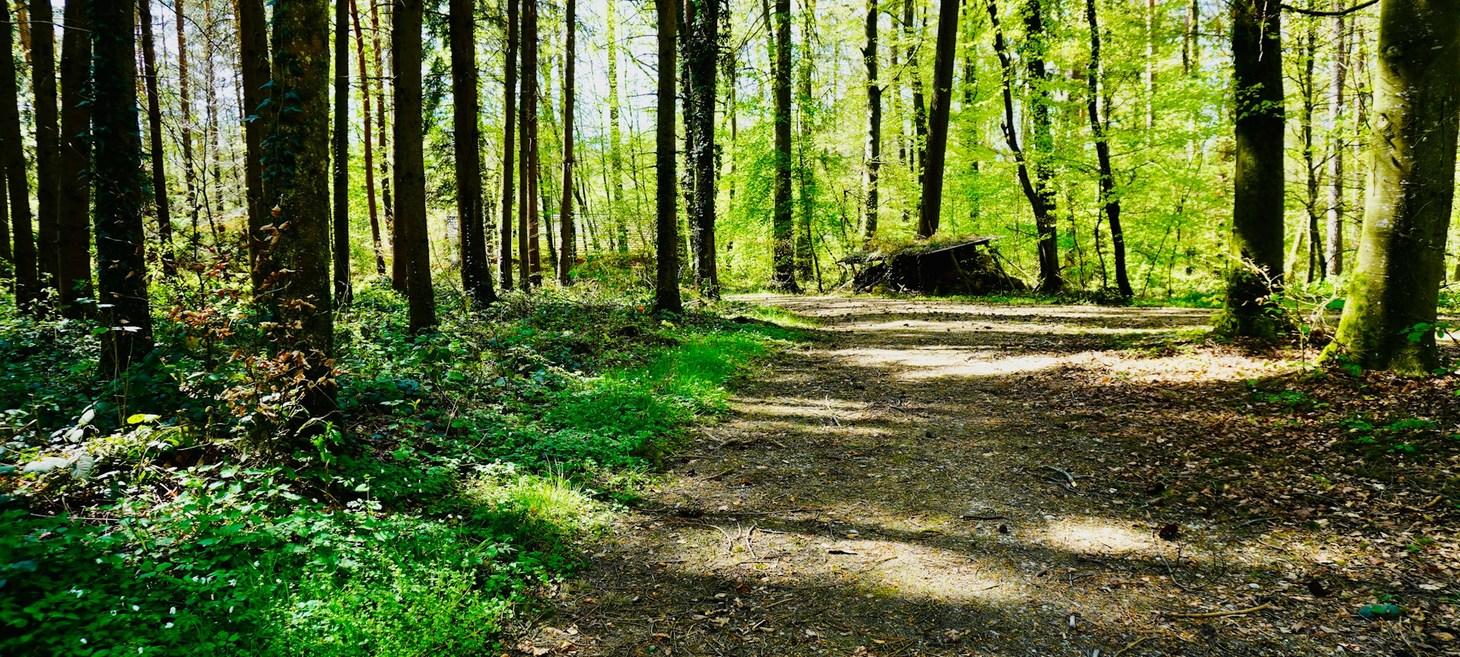
"In April" by Rainer Maria Rilke
Rilke takes us to a rainy April day—and a moment in which the rain subsides and the sunshine breaks through. The reader is gently enveloped in stillness, made a participant in nature’s comforting slumbering silence.
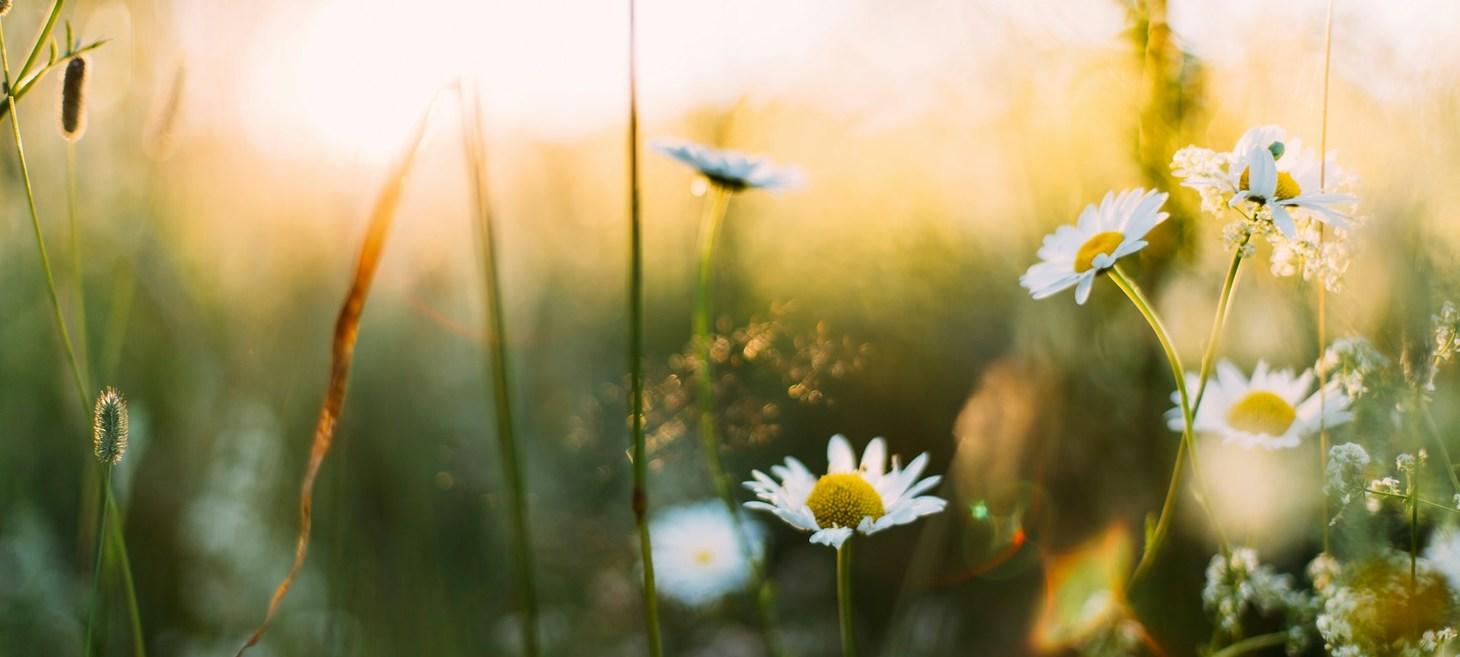
"A Prayer in Spring" by Robert Frost
Looking for some peace and quiet? Robert Frost’s poem ‘A Prayer in Spring’ just might give you some inspiration.
Culture & Media

Films and documentaries on Flannery O’Connor
Want to explore Flannery O’Connor’s life and works? Have a look at my short selection of videos on this amazing Southern author.

Book review: "Neurodiversity Affirming Glossary of Key Vocabulary"
Written in a clear and simple language, this slim volume is intended for an audience of specialists and non-specialists alike: professionals working with neurodivergent people (such as educators or therapists) will find it useful, as will those whose friends or loved ones happen to be neurodivergent.
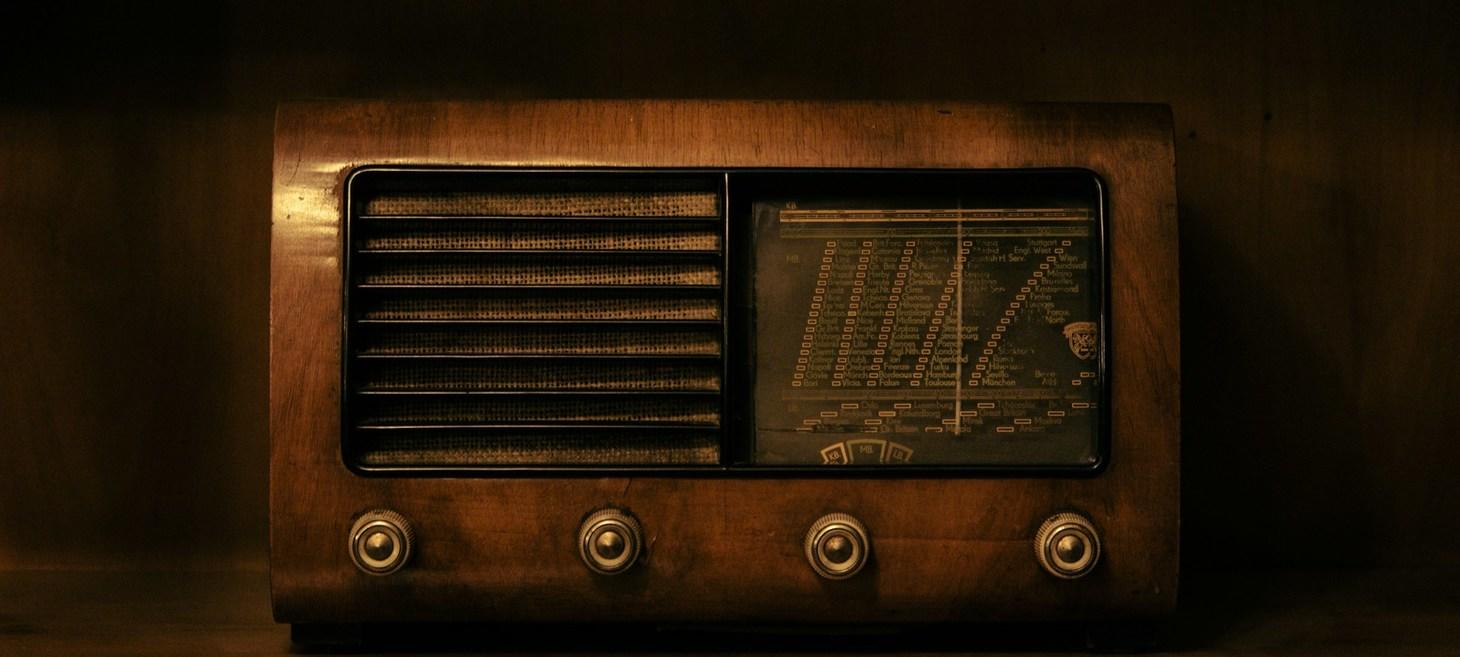
Exploring Old-Time Radio
I’ve been hooked on OTR for years now, and in this post I’m going to share with you my go-to resources: the best of 1920s–1940s radio today.
Learning English
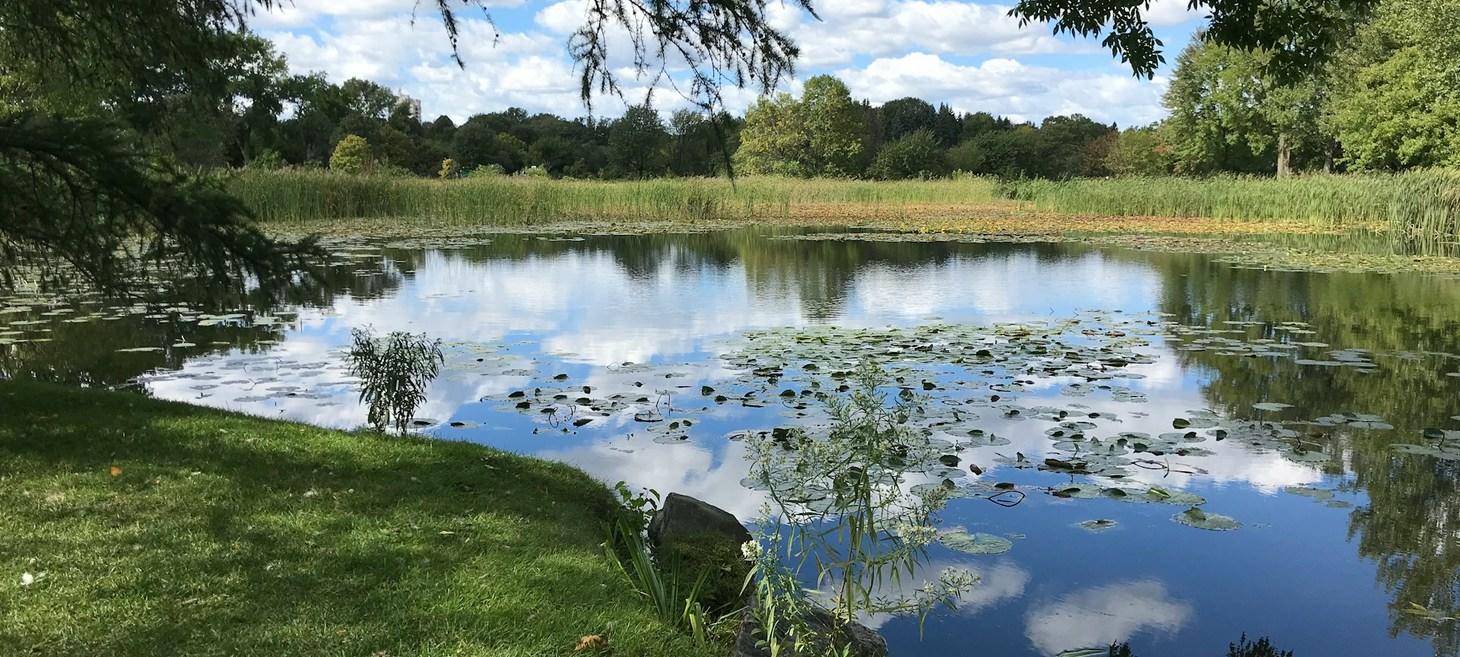
English vocabulary: Bodies of stationary freshwater
There are many words in English referring to different (yet often very similar) bodies of stationary freshwater. Let’s go through the main ones.

English grammar: Present Simple vs Present Continuous
In this post we’ll look into the basic differences between two English tenses that students often confuse: Present Simple and Present Continuous (also known as Present Progressive).